I thought I had Switzerland figured out. Two winters working out of Zürich, a serious stretch through the Bernese Oberland, the expected fondue and cable cars and alpine smugness that comes from believing you've cracked a country. Then I went south to Ticino, the Italian-speaking canton that appears to have received an entirely different set of instructions from the rest of the confederation, and a few days in Ascona on Lake Maggiore made me feel like a complete beginner again, which is exactly the kind of humbling a well-traveled person occasionally needs.
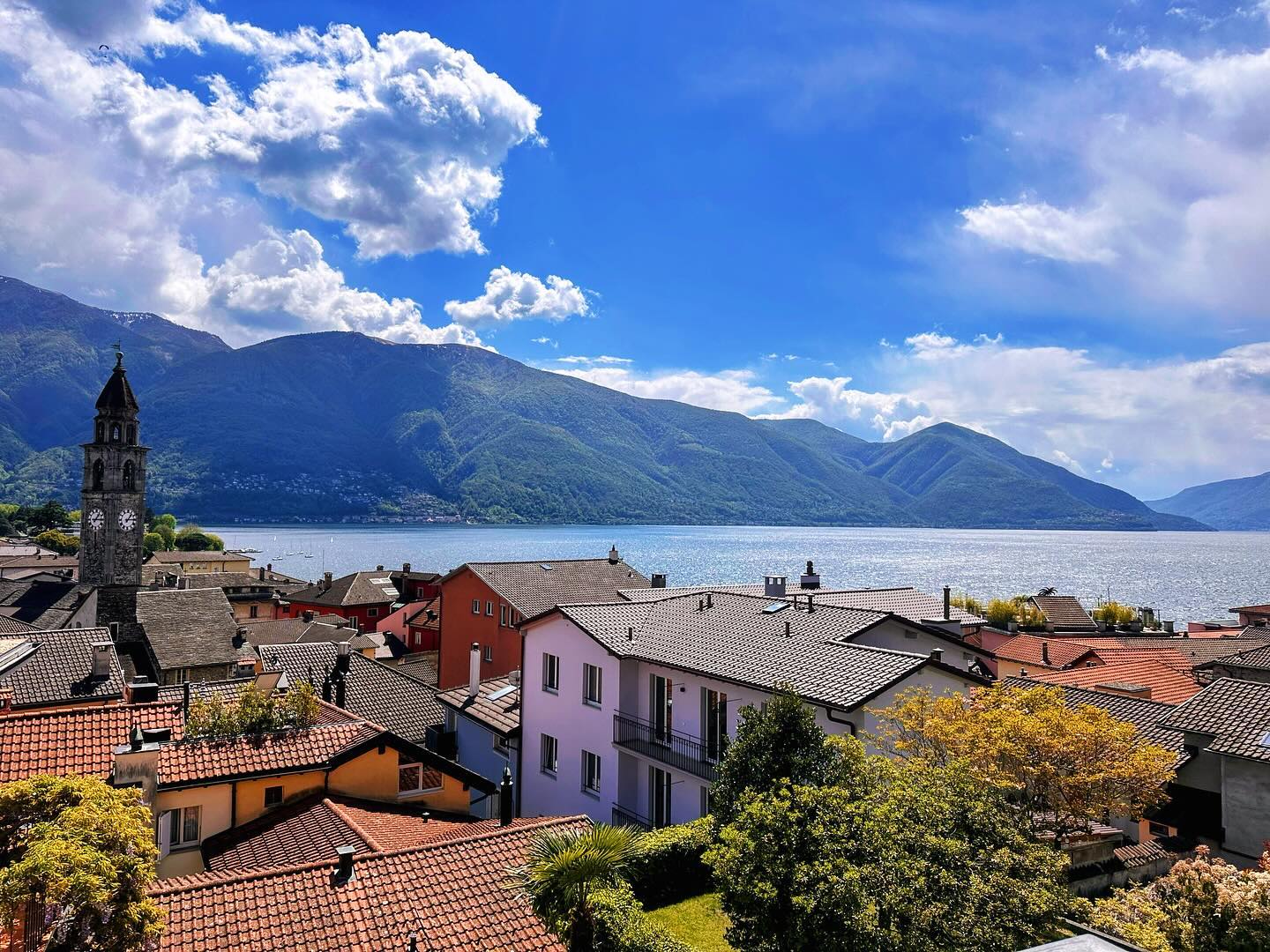
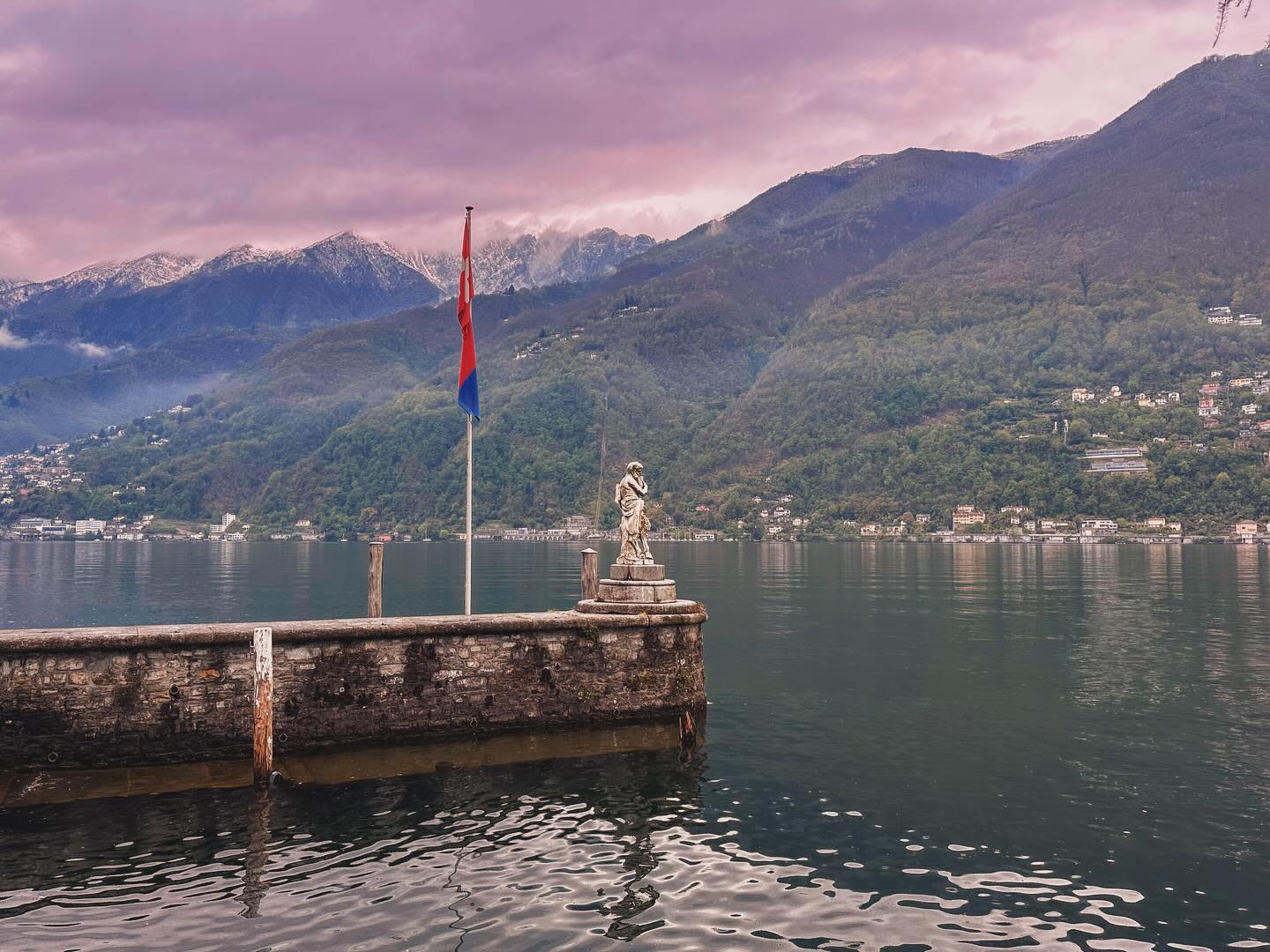
Ascona sits on the northern shore of the lake looking as though someone physically relocated a piece of Mediterranean coastline and pressed it against the Alps. The remarkable thing is that it earns that premise rather than simply trading on it. The lakefront piazza is one of the genuinely great public spaces I have found anywhere in Europe, and I hold that opinion with full awareness of the competition. One afternoon I spent two hours there with a glass of local Merlot watching the light flatten and warm across the water, and nobody once implied I should be somewhere more useful. If a bottle of Bianco di Merlot appears on a menu, the white wine pressed from Merlot grapes and particular to this region, order it without deliberating. Eat a long lunch on that piazza. Leave your watch at the hotel. The old town immediately behind the waterfront rewards the kind of slow, purposeless walking that travelers romanticize but rarely follow through on. The streets are compact and the scale feels genuinely human, and the Brissago Islands are a fifteen-minute boat ride from the dock that justifies itself before you even arrive. The botanical garden there is serious, worth the full visit, and the crossing alone gives you enough reason to go.
The surrounding geography makes Ascona a strong base for days when you want more distance. Lugano is forty minutes south by car, and I'll say plainly that it leans toward banking culture more than atmosphere, but it functions well as a departure point into Italy. Como is roughly ninety minutes from Lugano by car or train, and the town itself is underrated relative to the more photographed villages higher up the western shore. If your schedule has any room, board a ferry and go north toward Varenna or Bellagio. Bellagio is crowded during high season and earns the visit anyway. Milan is another ninety minutes from Lugano if you want a serious city and a serious dinner, and standing in front of the Duomo for the first time does justify the trip, even if once is probably sufficient.
The costs are Swiss, meaning real money is required, but crossing into Italy adjusts the mathematics quickly. I believe a lake-view room in Ascona justifies its price because waking up to that water at seven in the morning establishes a mood that sustains the entire day without any additional effort. The Castello del Sole is the obvious splurge and earns its reputation honestly. If you want something quieter and less resort-oriented, look for properties inside the old town rather than on the periphery. Plan on three or four nights minimum in this part of Ticino, because anything shorter leaves you drawing up return plans somewhere over the Atlantic, which you will likely do regardless.
Book your own trains and move on your own schedule rather than accepting any packaged day-trip logic that loads you onto a bus and back without room to breathe. Set aside at least one full afternoon with nowhere specific to be and nothing specific to accomplish, somewhere along that lake.